
How we turn hard green fruit into bananas that arrive at exactly the colour you ordered, and the checks every crate passes on the way.
This is the colour scale the whole banana trade uses. When you order from us, you pick a stage, and that stage is printed on every crate label. We grade at dispatch against the chart in natural light, so the fruit you receive matches what you asked for.
Hard, starchy, ready to travel or to go into the ripening room.
Buyers with their own ripening room, long-distance traders
Ripening has started. Still firm enough for long routes.
Traders on routes of two or more days
Two to four days from the fruit bowl. Popular with shops that turn stock twice a week.
Shops that receive twice a week
The stage most retailers ask for. Ready to sell within two days.
Most supermarkets and fruit shops
On the shelf today, eaten tomorrow. Good for busy counters.
Busy counters selling within a day
Full colour and sweetness. Best for same-day sale and caterers.
Caterers, hotels, same-day sale
Peak sugar. Ideal for bakeries, juice bars and dessert kitchens.
Bakeries, juice bars, dessert kitchens
Bananas ripen naturally by releasing ethylene, a plant hormone. A ripening room simply controls that process so a whole batch changes colour together instead of hand by hand.
Fruit goes in at stage 1 and stays at a steady temperature between 14°C and 18°C with high humidity. A small, measured dose of ethylene starts the process evenly. Over the next four to six days we lower or raise the temperature to slow down or speed up ripening so the batch reaches its target stage on the right morning.
The ripening lead checks colour and pulp temperature every morning and evening and writes it on the batch card. If a batch runs ahead, it is moved to a cooler bay.
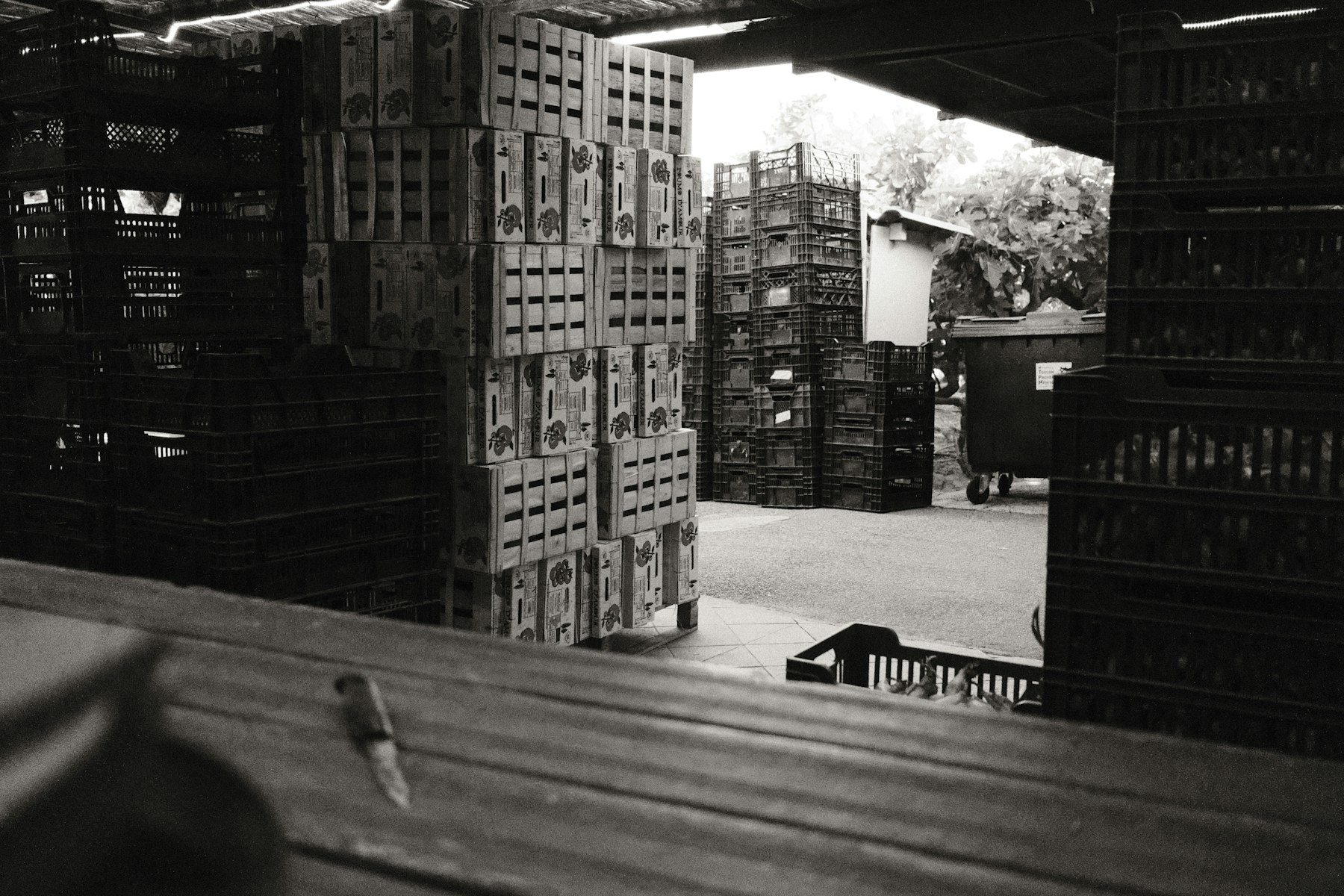
Grading happens twice: when hands are cut from the bunch, and again at dispatch after ripening.
Fingers in a crate fall within a narrow size band and are well filled, without thin, angular ridges.
No deep bruises, cuts or large scars. Light surface marks from leaves are allowed on lower grades and marked on the label.
Hands are washed after dehanding so latex does not stain the skin. Crowns are trimmed clean.
Any sign of crown rot, finger drop or insect damage removes the hand from the crate.
Every hand in a crate sits within one stage of the target. Uneven hands are re-sorted.
Crates are filled to a fixed count and labelled with variety, grade, stage and lot code.
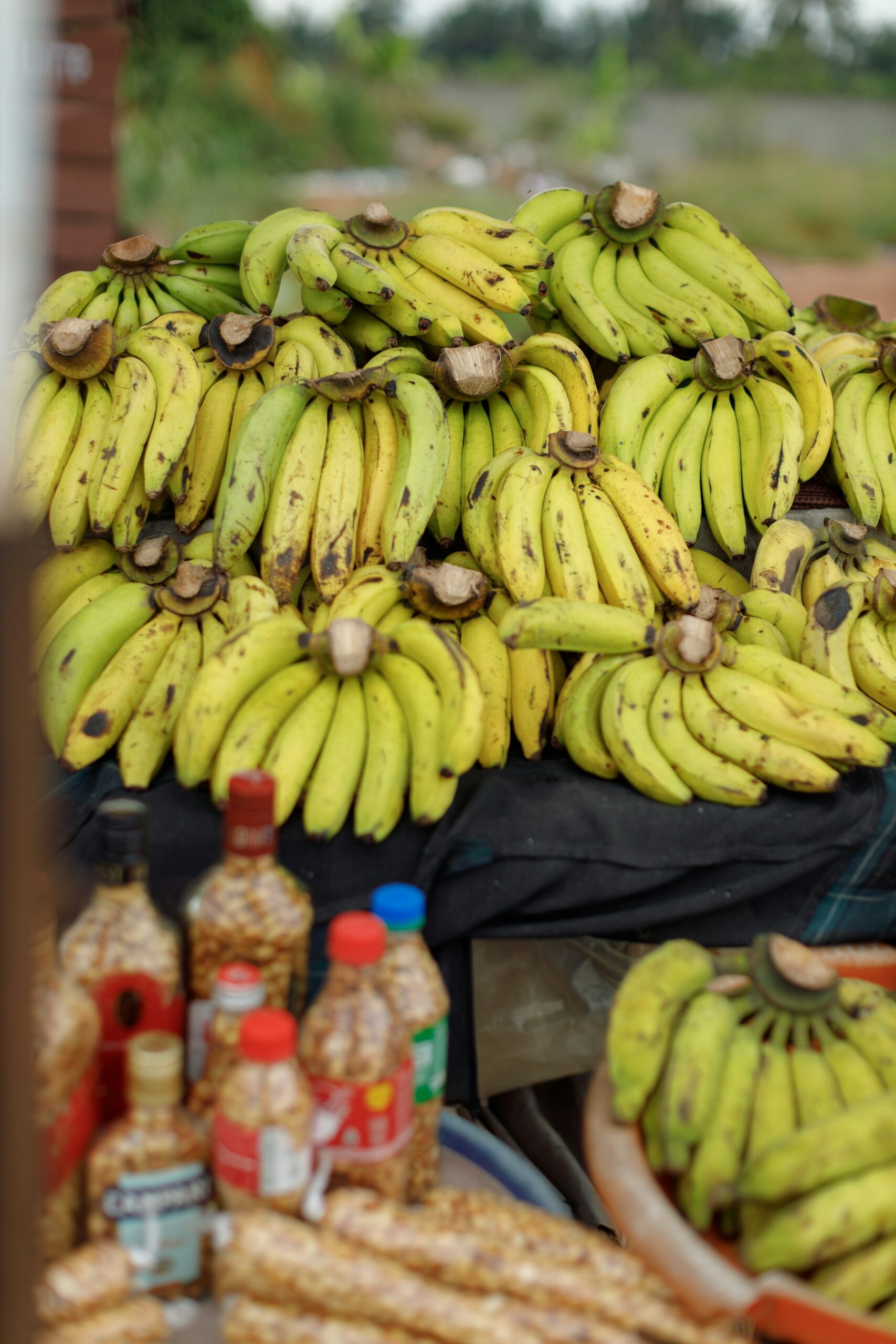
Grading only means something if fruit actually gets rejected. These hands never go into a customer crate, whatever the order size or deadline.
Rejected fruit is not wasted. Sound but uneven bananas go to bakeries and juice makers at a lower price, and the rest becomes compost for the rows.
A few minutes at the receiving door protects the quality we worked to deliver.
Count crates with the driver and make sure the variety and stage on the labels match your order before signing the slip.
Strip lights and shade can make bananas look greener or yellower than they are. Check a crate near a door or window.
Direct sun can scald the skin in under an hour. Move crates into a shaded, ventilated area straight away.
Chilled bananas turn grey and stop ripening. Keep storage between 14°C and 20°C.
Photograph the crate label and the fruit, then call or email the sales desk. We will arrange a credit or replacement.
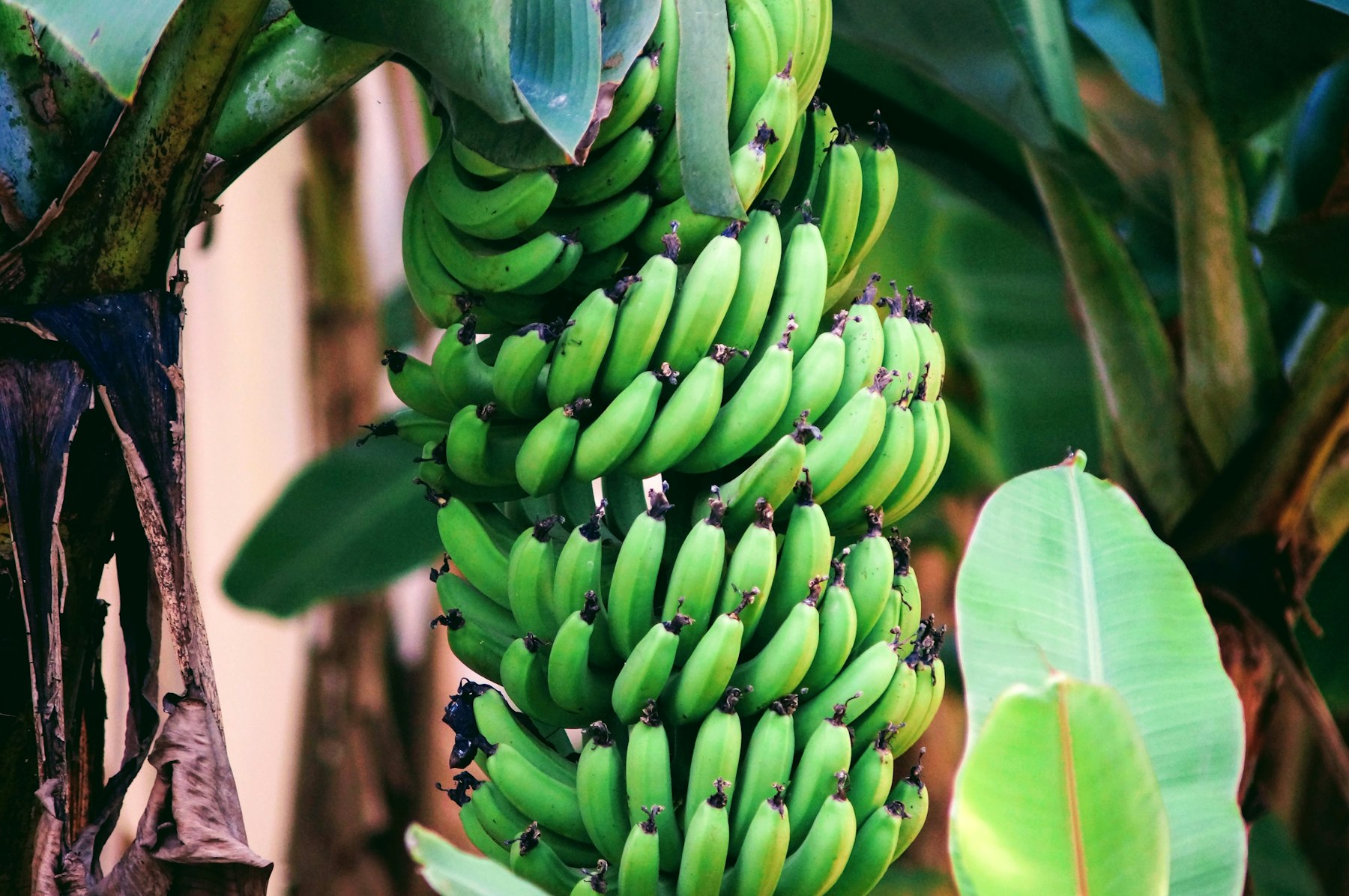
Every crate label carries a lot code. Give us that code and we can tell you the row the bunch grew in, the day it was cut, the ripening batch it went through and the time it left the farm. If anything is ever wrong, we find the cause instead of guessing.