
BanFarms is a working banana farm with a wholesale desk attached. Everything we sell is grown, cut and ripened by people who can name the row it came from.
The farm began as a handful of banana rows planted between other crops. The plants did well, the fruit sold fast, and every season there were a few more rows. Buyers started coming to the farm gate instead of waiting for us at the market, and some of them asked if we could deliver.
Delivering meant we had to ripen the fruit properly, so we built a small ripening room. Ripening properly meant cutting on a schedule, so we started tagging bunches. One step led to the next until we were running a full supply chain from a single farm.
Neighbouring growers noticed. Some asked us to sell their fruit alongside ours, and that is how the wholesale side of BanFarms took shape. We still grow most of what we sell. Partner growers follow the same grading rules, and their crates carry their own lot code so nothing gets mixed up.
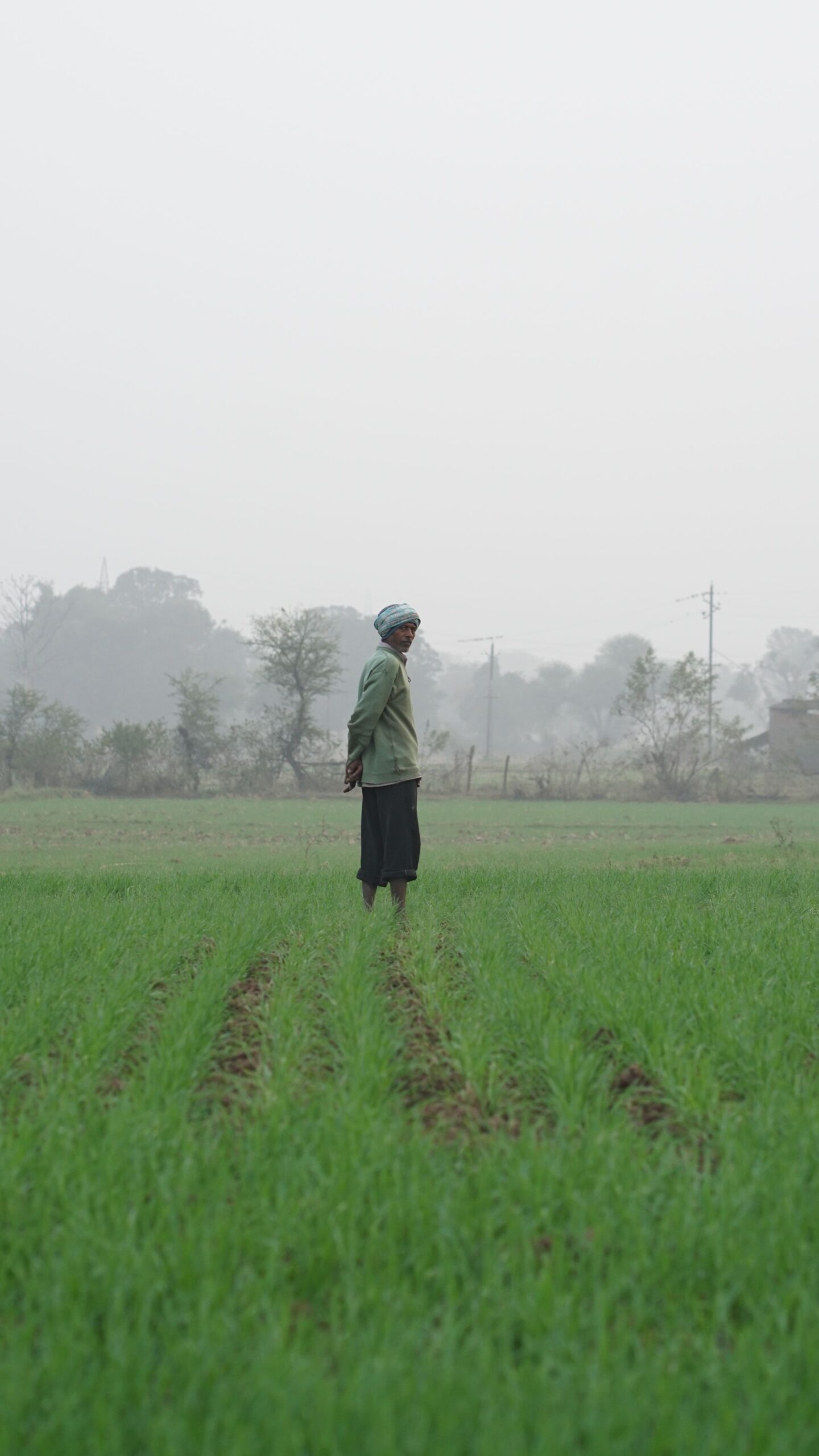
Banana plants are not difficult, but they punish shortcuts. These are the habits that make the difference in the crate.
We plant suckers and tissue-culture plantlets from clean stock, and we never replant straight into a row that had disease.
Plants are spaced so each one gets sunlight on its leaves and air around its stem. Crowded plants give smaller bunches.
Bananas want a lot of water but hate standing in it. Drains are cleared before every rainy season and irrigation is measured in dry months.
Composted plant waste goes back into the rows. Fertiliser is applied in small doses through the year rather than all at once.
The field team walks every row each week looking for weevils, leaf spot and wilt. Problems are dealt with plant by plant.
Bunches are cut when the fingers fill out and the ridges start to round, not by the calendar or a buyer's rush.
A banana cut too young will still turn yellow in a ripening room, but it never gets sweet. The skin colours, the flesh stays starchy, and your customers notice. Cutting early is the most common shortcut in the trade because it puts fruit on the truck faster.
We would rather tell you a bunch needs four more days than send you fruit that looks right and tastes wrong. That is a promise we can keep only because we grow the fruit ourselves.
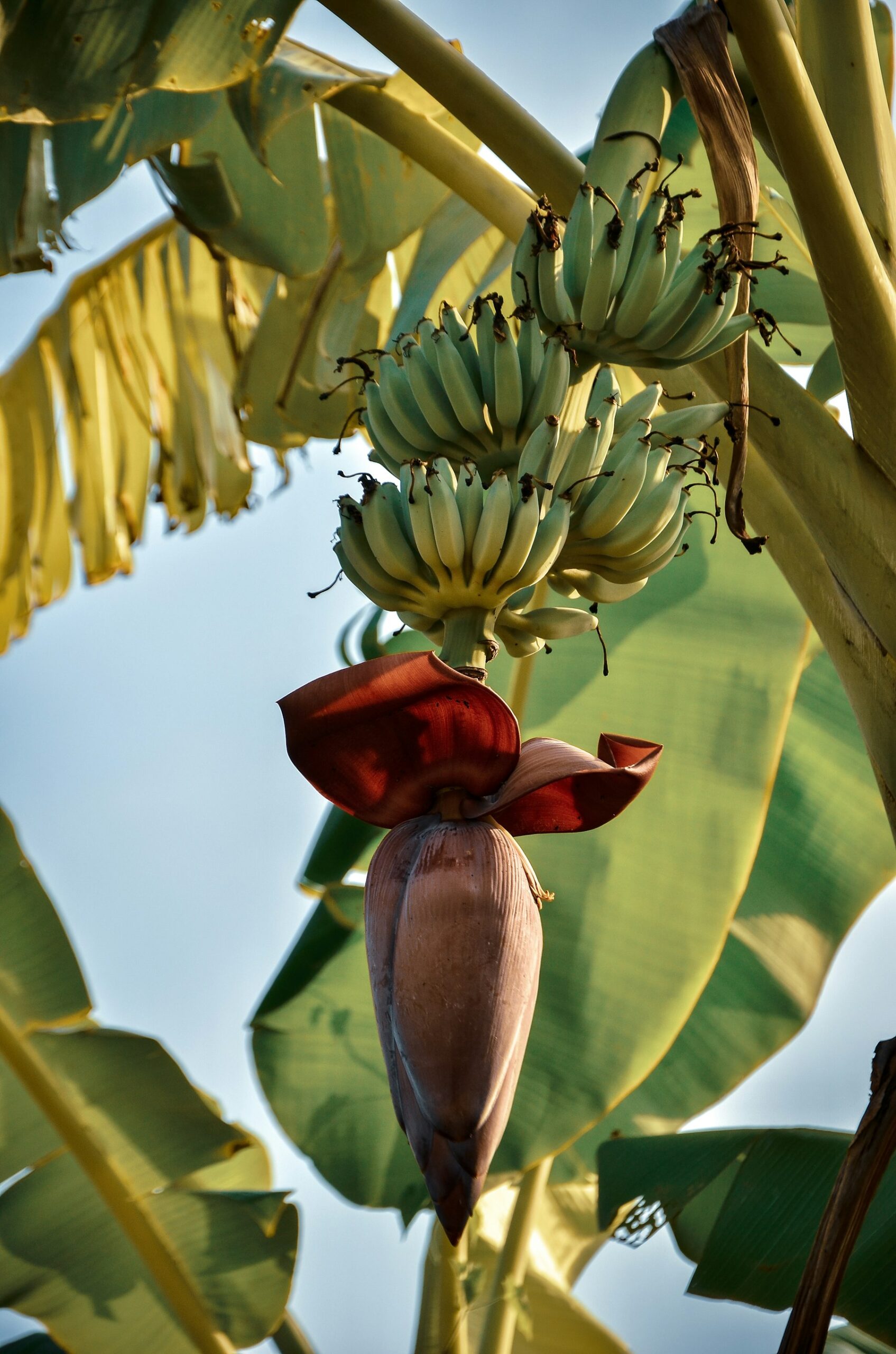
BanFarms is a small team, and most of us do more than one job in a busy week. Each crate passes through five pairs of hands before it reaches you.
Everyone is paid fairly and on time, works in shade during the hottest hours, and has proper gloves, boots and cutting tools. A farm only runs well when the people running it are looked after.
A second ripening chamber so we can hold two target stages at once during the busy months.
Phasing out the last cardboard cartons. Every order now travels in washable crates that come back to the farm.
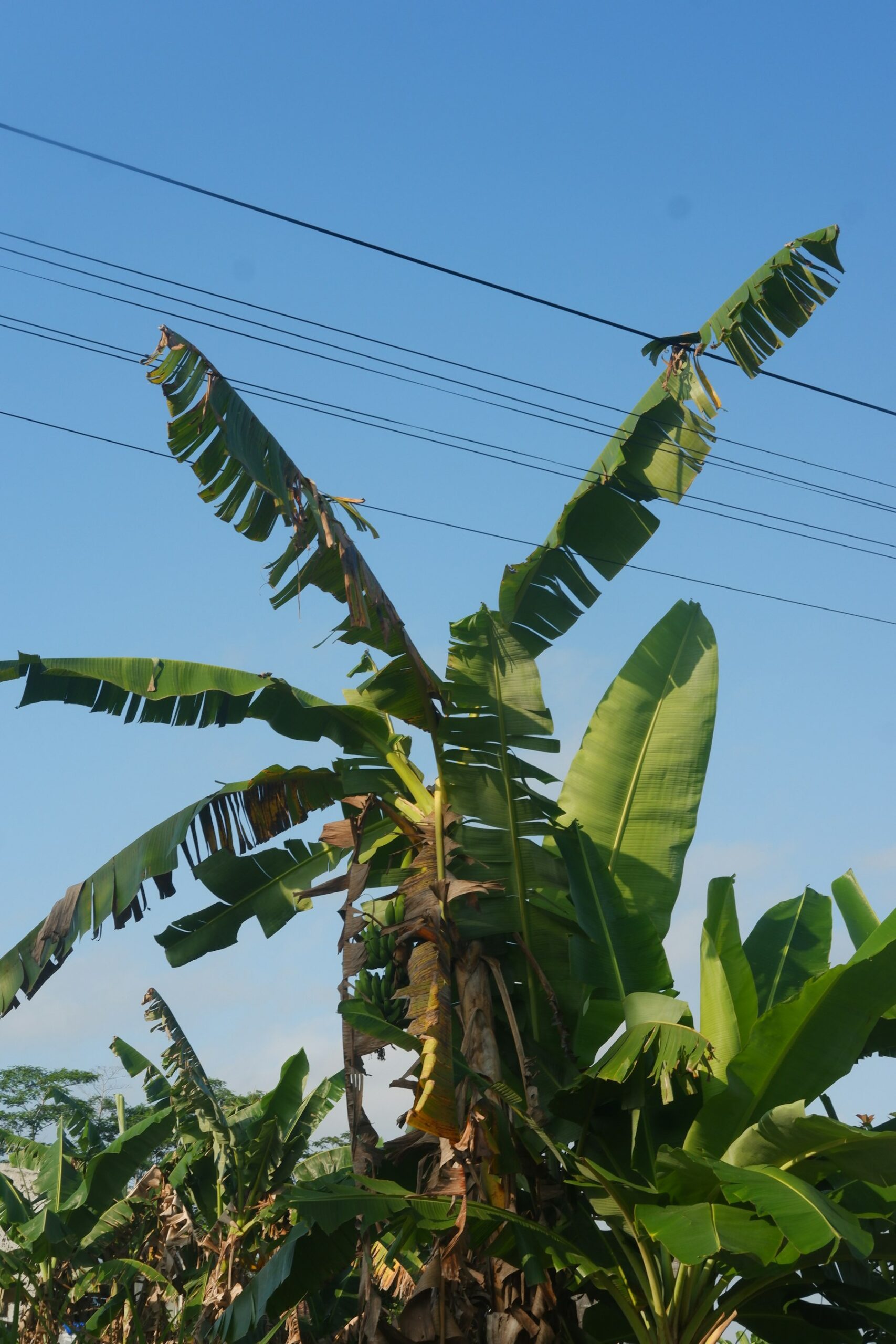
Protecting young plants on the exposed edge of the farm from storm damage and leaf tearing.
A simple code on each crate that links it to the row, the cut date and the ripening batch.
Regular buyers and prospective dealers are welcome to visit the farm and the ripening room. Call ahead so someone from the team can walk you through and answer questions on the spot.